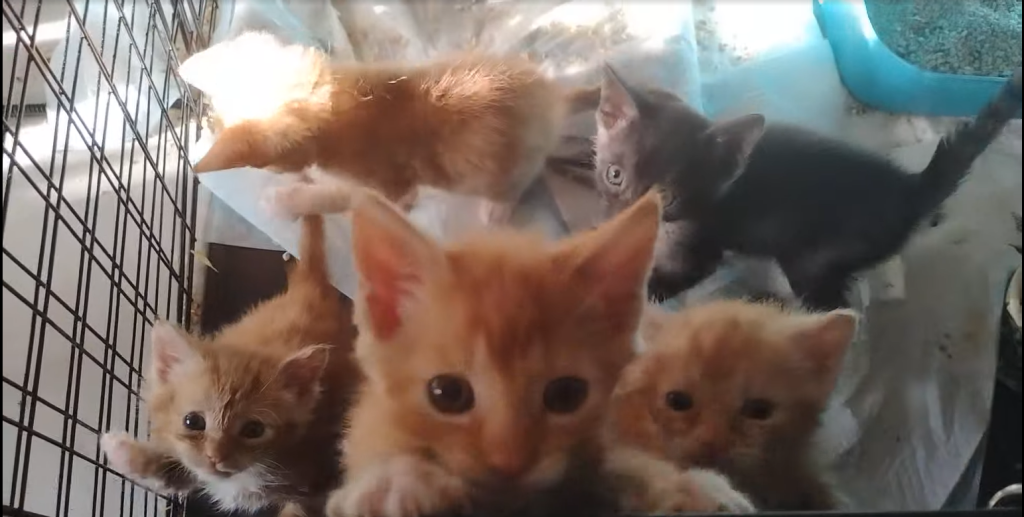
TNR: Trap, Neuter, Return
Trap‑Neuter‑Return (TNR) is a humane, proven method for managing community cat populations. Instead of removing or euthanizing stray and feral cats, TNR involves safely trapping them, having them spayed or neutered and vaccinated, then returning them to the outdoor environment where they are monitored and cared for. This approach stabilizes colonies, reduces nuisance behaviors linked to mating, and prevents the birth of more kittens into difficult conditions.
At MisfitPets SafePaws Alliance, TNR is a core part of our mission to reduce overpopulation and improve the lives of community cats in Newton Falls and surrounding areas. We work with local veterinarians, volunteers, and cat caregivers to set up targeted trapping schedules, ensure cats receive medical care, and monitor colonies over time. Colonies are often identified in neighborhoods, parking lots, or rural areas where community cats rely on residents for food and shelter.
How TNR Works
- Trap – Cats are humanely captured using live traps, typically with food as bait, during a planned trapping window.
- Neuter/vaccinate – The cats are taken to a partner clinic, where they are spayed or neutered, vaccinated (often including rabies and distemper), ear‑tipped (a small notch in the ear to show the cat has been altered), and checked for overall health.
- Recover – After a short recovery period, the cats are returned to their original outdoor location, where they continue to receive ongoing care from community caregivers.
Typical Costs and Funding
TNR costs can vary by region and clinic, but a basic TNR “bundle” often includes:
- Spay/neuter surgery
- Rabies and distemper vaccines
- Ear‑tipping and basic health check
The out‑of‑pocket cost per cat can range roughly from $50 to $150, depending on the clinic, travel, and whether additional medical care is needed. MisfitPets SafePaws Alliance works to reduce the financial burden on individuals by:
- Partnering with low‑cost or subsidized clinics
- Applying for grants and community fundraising
- Offering support or partial funding for caregivers who are already feeding community cats
We believe that cost should not be the reason a cat goes unaltered, and we strive to make TNR accessible through our network of volunteers, donors, and local partners.
If you have a colony or know of a group of community cats in need of TNR, we can help you plan a trapping schedule, connect you with resources, and provide guidance on how to care for the cats before and after surgery. Visit our Fera/stray cat survey (click to visit) or contact us directly to learn how you can get involved—and how we can work together to make our community safer and more humane for all animals.
Pet food Pantry
At MisfitPets SafePaws Alliance, the Pet Food Pantry will be a community‑based resource designed to help local pet owners who are struggling to afford food for their animals. We believe no one should have to choose between feeding themselves and feeding their pets, and the pantry is one way we put that value into action.
The pantry offers free or low‑cost pet food and basic supplies to qualifying households in Clifton-fine areas. It’s especially helpful for seniors, people on fixed incomes, families going through temporary hardship, or neighbors who care for outdoor community cats. By reducing the financial stress of pet ownership, we aim to keep more animals in their homes and out of overcrowded shelters or the streets.
We partner with local donors, businesses, and volunteers who contribute food, organize distributions, and help spread the word. Our goal is to make the pantry easy to access, dignified to use, and sustainable over time, so it can continue supporting pets and people in need. Take our Community Needs Survey (click to visit) to help us gauge the needs in our area.
If you or someone you know could benefit from the Pet Food Pantry—or if you’d like to donate food, funds, or time—Contact us to learn more about eligibility, drop‑off locations, and how you can help us keep bowls filled in our community.